Nürnberger-Spielkarten-Verlag
Nürnberger-Spielkarten-Verlag (NSV) is a German publisher active from 1993, known for family-friendly card and dice games.
- 1 Games
Biography
NSV (Nürnberger-Spielkarten-Verlag GmbH) evolved from the Spielkartenfabrik Heinrich Schwarz and has published under the NSV name since 1991; it became independent again in 1995. Our database lists 13 NSV releases (active 1993–2020). The publisher emphasizes simple rules, short waiting times and family-oriented concepts.
Career
Between 1993 and 2020 NSV released a catalogue combining classic card and dice games with modern family titles. Their portfolio frequently employs Dice Rolling and Paper-and-Pencil mechanics, alongside Cooperative and Communication-Limits concepts. Recent efforts include sustainability lines (NATURELINE, MINNYS) and plastic-free children's products introduced in 2022 according to the die Originalquelle.
Most Famous Games
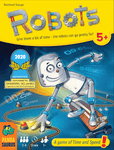
Top titles published by NSV include Qwixx (2012) and The Mind (2018), both with multiple recognitions, as well as The Game (2015). Other notable releases are Silver & Gold (2019), Ohanami (2019) and Robots (2020). NSV titles have appeared in Spiel des Jahres jury lists several times.
Design Style
NSV's releases are characterized by accessibility and compact rules: Dice Rolling and Paper-and-Pencil mechanics recur, often in family or light-party contexts. They publish both communication-restricted cooperative games and quick number/roll experiences.
Frequently Asked Questions
Where is Nürnberger-Spielkarten-Verlag from?
The source data indicates NSV is a German publisher; detailed birthplace data is not provided.
What is their most famous game?
One of the most prominent games in the top list is The Mind (2018).
What mechanic is their signature?
Common mechanics are Dice Rolling and Paper-and-Pencil, with several cooperative titles as well.
How long have they been active?
The data lists NSV as active from 1993 to 2020.
Verdict
Good fit for players looking for quick, family-oriented card and dice games with low entry barriers.