1, 2, 3 ...
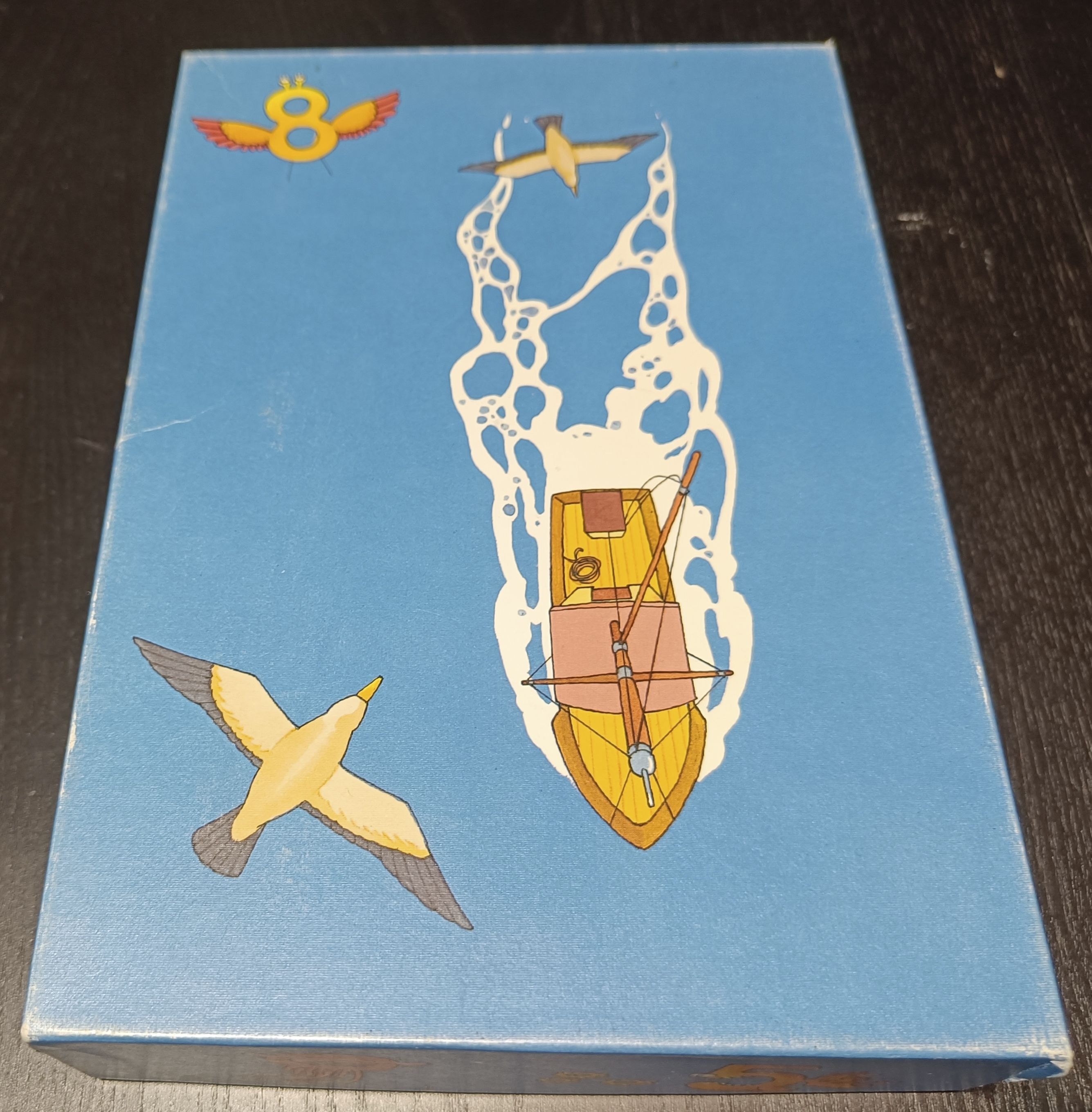
- Designer Maria Soecknick
- Publisher Ravensburger AG
- Illustration Rolf Bunse
Track your results with Playnexi
Add this game to your collection and track sessions, scores, and statistics.
Start for freeWhat to Expect
In 1, 2, 3., players feel foam numbers through a covered hole in a box without seeing them. The game includes ten variants where you find numbers in ascending order, match numbers to sums rolled on a die, or recognize number sequences. It combines tactile learning and basic math practice.
Who Is This Game For?
This game is aimed at children aged 5 and up and serves as an educational children's game. Families looking for a short, approachable math learning tool will find it suitable. With a playing time of about 15 minutes, it fits well into short learning sessions or breaks.
How It Works
Players reach into a box covered with cloth and feel foam numbers from 0 to 9. They must identify these numbers by touch without seeing them. Game variants include finding numbers in order, selecting numbers that add up to a rolled die result, or recognizing numeric patterns. The core mechanic is pattern recognition through tactile feedback.
What Makes It Special
Designed by Maria Soecknick, 1, 2, 3. offers a tactile approach to number learning using foam numbers and pattern recognition. It stands out as an educational game that combines touch and basic arithmetic for young children.
Pro
- Supports learning of numbers and basic arithmetic
- Tactile identification enhances learning process
- Multiple game variants for variety
- Short playtime of about 15 minutes fits children well
Contra
- Not designed for solo play by adults or experts
- Limited to early math learning content
- Simple mechanic without strategic depth
Setting & Atmosphäre
The game focuses on number learning and basic math education for children. It has an educational theme without a fictional setting.
Tipp für Einsteiger
Focus on recognizing number patterns by touch and take your time to feel the shapes carefully.
Häufige Fragen
Can I play this solo?
Yes, 1, 2, 3. supports 1 to 4 players, including solo play.
How long does a game really take?
A game lasts about 15 minutes, suitable for short learning sessions.
What prior experience do I need?
No prior experience needed; designed for children aged 5 and older.
How does this compare to similar games?
Its unique tactile approach combined with basic math exercises sets it apart.
Is this suitable for families?
Yes, it is designed specifically as an educational family game for young children.
What mechanic makes it special?
The main mechanic is pattern recognition through tactile sensing.
Fazit
1, 2, 3. is well suited for families with young children who want to learn numbers and simple math in a playful way. Its short duration and tactile element make it especially appealing for preschoolers.